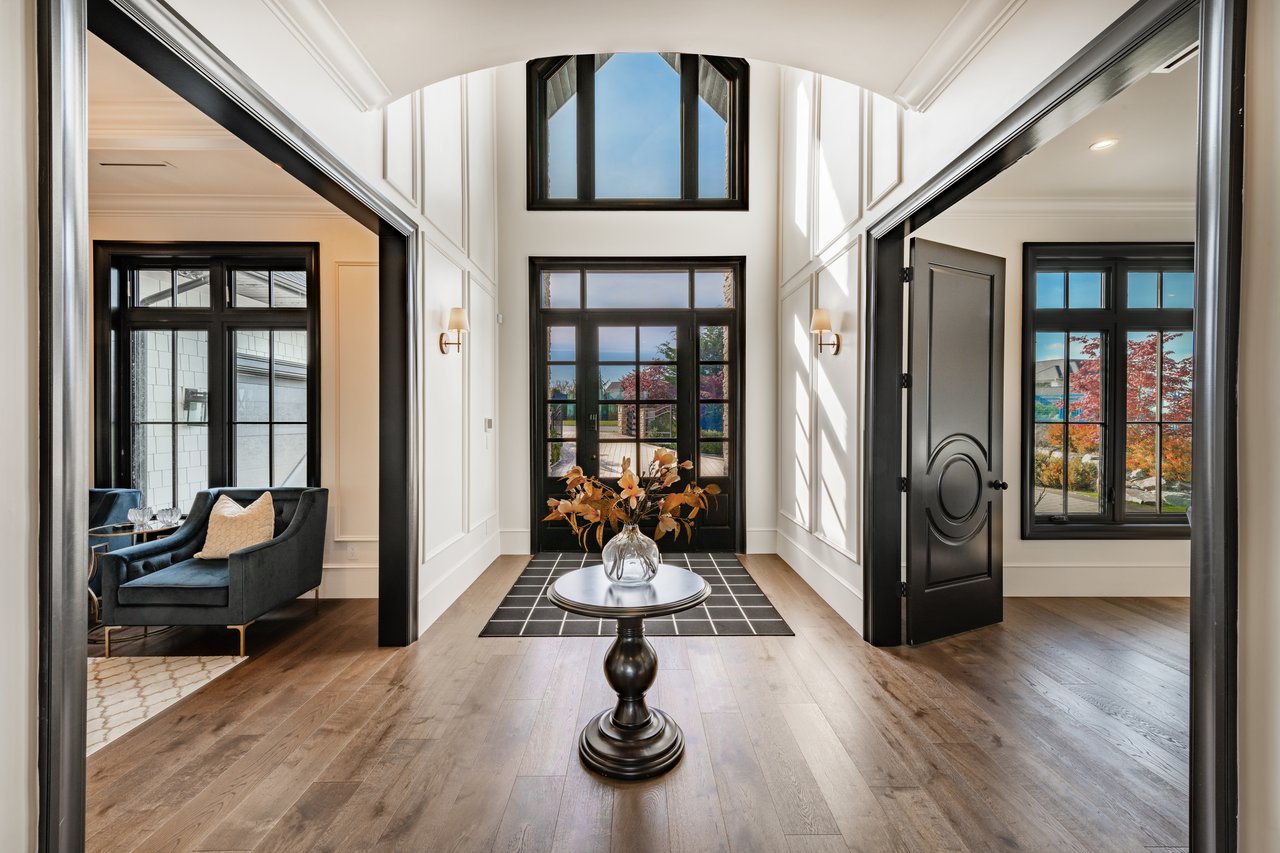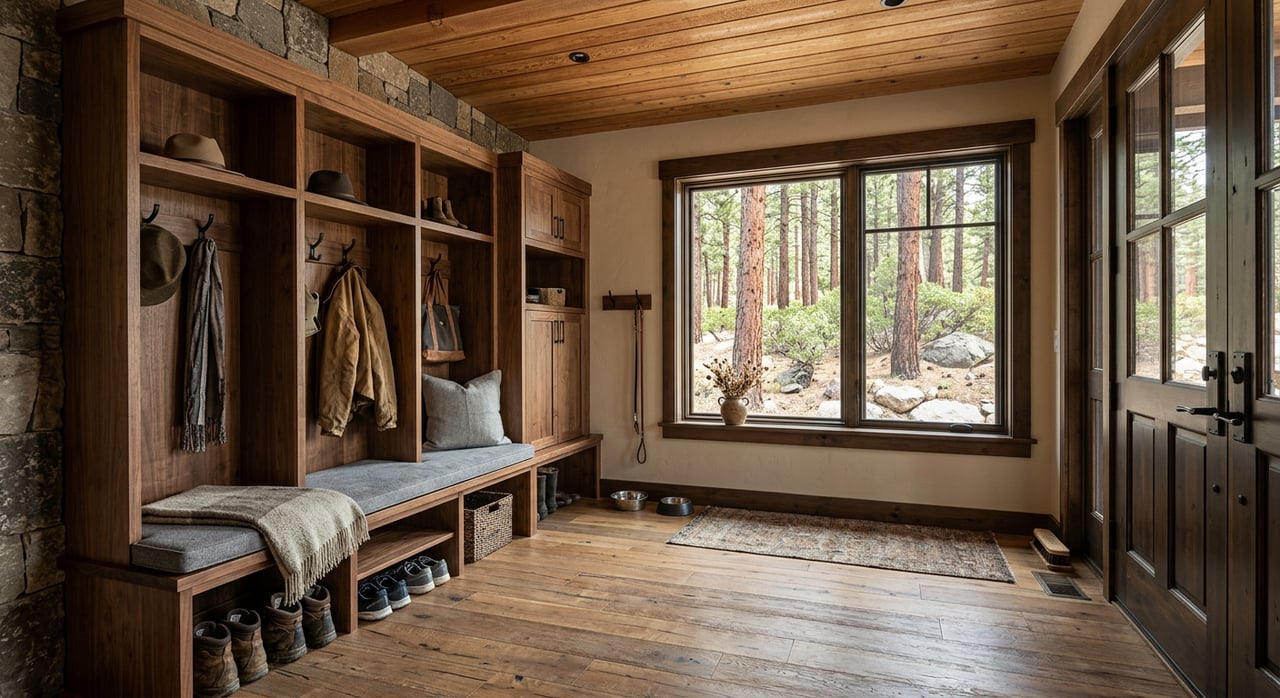
Looking for cool summers, tall pines, and a true getaway that still feels easy to reach? Show Low sits in Arizona’s White Mountains and offers exactly that, along with practical services that matter when you are not here full time. If you are considering a second home, you want clear guidance on costs, access, renting rules, and seasonal upkeep. This guide breaks down what to know so you can buy with confidence. Let’s dive in.
Why Show Low works for second homes
Four-season mountain setting
Show Low rests around 6,300 to 6,400 feet in elevation in a high‑pine forest, giving you four distinct seasons and cooler summer temps. The city plans for recurring 6 to 8 inch winter storms and uses about 40 inches of average annual snowfall for operations, so snow is part of life here. That affects winter access, roof loads, and plumbing plans if your home sits vacant. You can learn more about the city’s approach in the snow management overview and general local context on Show Low’s profile.
Easy access and local services
Most owners drive from the Phoenix metro in several hours, and you can check conditions on AZ 511 during winter. The Show Low Regional Airport supports general aviation and subsidized commercial service that is periodically announced. For healthcare, Summit Healthcare Regional Medical Center anchors local acute care, which is helpful for retirees and long‑stay owners.
What to budget
Property taxes
Navajo County sets a primary levy and your parcel may include secondary rates for schools, fire, and special districts. The county’s FY2025 primary rate is reported near 0.8114; your actual effective rate depends on the exact address and districts. As a planning range, many second‑home buyers use about 0.8% to 1.7% of assessed value per year to estimate the total bill, then confirm with the county for the specific parcel. See the county’s levy context in the FY2025 report.
Insurance and wildfire
Premiums in forested Arizona markets have trended higher, and underwriting can vary by ZIP code and property features. Budget time during escrow to get written quotes for replacement‑cost coverage and, if needed, flood insurance. Insurers may offer credits for wildfire‑mitigation work like defensible space and ember‑resistant vents. For state market context, review this Arizona homeowners insurance overview.
Maintenance and utilities
A simple rule of thumb is to set aside about 1% of your home’s value per year for routine maintenance, with more for older homes or heavy short‑term rental use. Plan for winterization, snow removal, and periodic deep maintenance. Many area homes rely on propane, electric heat, or wood/pellet stoves rather than natural gas; confirm the fuel type and service arrangement for any propane tank. Navopache Electric serves much of the region; you can review rate materials from Navopache Electric Cooperative. Learn more about maintenance budgeting from this homeowner guide.
Financing a second home
Conventional loan basics
Second‑home loans follow different rules than primary residences. Lenders often expect stronger credit, documented cash reserves, and a higher minimum down payment. A 10% down minimum is commonly cited for conventional second‑home programs, though some lenders may require more. Always confirm current product guidelines with your lender and review the Fannie Mae Selling Guide on occupancy and eligibility.
Planning to rent your home
City permit and taxes
If you plan to operate a short‑term rental, you must register with the City of Show Low. The city requires annual permits/registration for vacation rentals and sets operating standards and penalties. Review the requirements in the Show Low short‑term rental code and, if helpful, access the city’s registration form. Arizona also treats short‑term lodging as taxable for TPT and local transient lodging taxes. Hosts must register and remit per Arizona Department of Revenue guidance.
Earnings and management
Peak demand in the White Mountains centers on summer, holidays, and some winter weekends. Model occupancy and rates for your specific neighborhood with conservative assumptions. If you hire a manager, full‑service short‑term rental management often runs about 15% to 30% of rental revenue, plus cleaning and platform fees. See a breakdown of common fee structures in this management overview.
Seasonal access and upkeep
Winter access checklist
- Confirm if roads are city‑plowed or privately maintained, and who pays for plowing.
- Budget for driveway snow removal and ice control.
- Plan for a snow‑capable vehicle (AWD/4WD) and accessible off‑street parking.
- Consider a backup generator if continuous power is critical.
- Check highway conditions on AZ 511 before travel and review the city’s snow management plan.
Water and waste systems
Inside the city, many neighborhoods use municipal water and sewer. Outside city limits, wells and septic systems are common. During due diligence, verify the water source, well depth and quality, and septic permits and condition. For wells and septic, independent inspections and water testing are strongly recommended.
Heating and smart controls
In a second home, simple systems reduce surprises. Smart thermostats, leak sensors, and remote shut‑offs help protect plumbing when you are away. If the home uses propane, confirm tank ownership, fill schedules, and who services the system. For electric service in much of the area, refer to Navopache Electric Cooperative resources.
Risks to review
Wildfire mitigation and history
The 2002 Rodeo–Chediski Fire was among Arizona’s largest and shapes ongoing wildfire awareness across the White Mountains. That makes defensible space and home‑hardening important for safety and insurance. Learn from this wildfire history context and mitigation best practices from county resilience guidance.
Flood zones near water
Creekside and lake‑adjacent parcels can lie in mapped flood zones. Check FEMA flood maps early, especially near Fool Hollow and Show Low Lake, and plan for flood insurance if required by a lender. For local floodplain resources, see Navajo County Flood Control.
Taxes for mixed personal and rental use
Your tax treatment changes if you mix personal stays with short‑term rentals. The IRS’s 14‑day/10% rule can limit deductions when personal use exceeds the greater of 14 days or 10% of the days rented at fair market value. Review details in IRS Publication 527 and speak with a tax professional.
Quick buyer checklist
- Verify municipal water/sewer versus well and septic for the address.
- Ask who maintains and plows the road; confirm any fees with the HOA or service provider. Review the city’s snow resources.
- If renting, apply for the city STR permit and register for TPT. Start with the Show Low STR code and AZDOR short‑term lodging page.
- Get written insurance quotes, including wildfire endorsements and flood if applicable. See the Arizona market overview.
- Order a well water test and septic inspection for out‑of‑city parcels.
- Note the nearest medical services at Summit Healthcare.
How we can help
Buying a second home in a mountain market is part lifestyle and part logistics. You want a property that fits how you plan to use it, with clear answers on access, utilities, and rental options. As a boutique, high‑touch practice deeply integrated with Torreon and the broader White Mountains, we help you evaluate neighborhoods, confirm the right due‑diligence steps, and, if you are building, guide you through lot selection, preferred builders, and our full “My Build Program.” From inspection coordination to vendor introductions and closing, you get responsive local expertise every step of the way.
Ready to explore second homes in Show Low and Torreon? Connect with Trish Lawler to start a focused, no‑pressure conversation about your goals.
FAQs
What makes Show Low good for second homes?
- You get four seasons at 6,300+ feet, cooler summers, reliable services, and road and airport access, plus a local hospital for added peace of mind.
How much are property taxes in Navajo County for a second home?
- The FY2025 county primary rate is near 0.8114, with total bills varying by parcel; many buyers estimate 0.8% to 1.7% of value, then confirm with the county.
Can you short‑term rent a second home in Show Low?
- Yes, with an annual city permit and proper tax registration; review the city STR code and Arizona’s TPT rules before you list.
What winter prep should a vacant Show Low home have?
- Plan for driveway plowing, smart thermostat and leak sensors, winterized plumbing, and clear contacts for snow removal and emergencies.
What down payment is typical for a second‑home loan?
- Conventional lenders often require at least 10% down, plus strong credit and cash reserves; confirm current terms with your lender.
Is wildfire insurance available in the White Mountains?
- Coverage is typically available, but premiums and underwriting vary by location and mitigation; get written quotes early and document defensible space.